
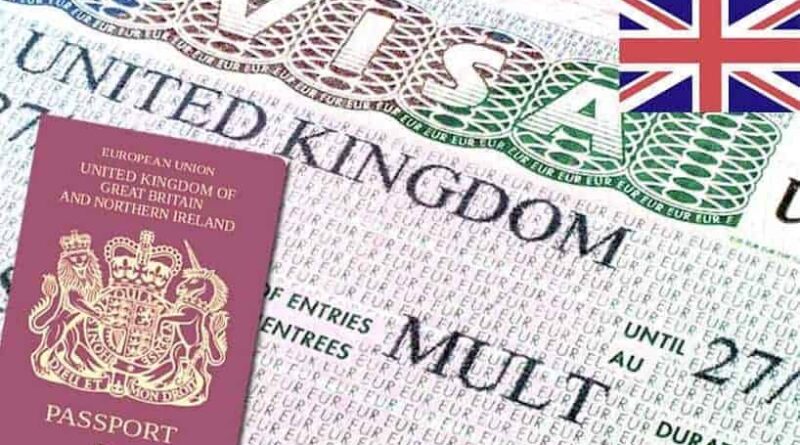
Reform UK Proposes Visa Ban for Countries Seeking Slavery Reparations.
A new immigration proposal by Reform UK has triggered widespread debate across diplomatic and political circles after the party announced plans to deny visas to nationals of countries calling on Britain to pay reparations for its role in the transatlantic slave trade.
The proposal, unveiled by senior party officials, seeks to suspend the issuance of visitor, student, work, and family visas to citizens from nations actively pursuing reparatory justice claims against the United Kingdom. The announcement comes amid renewed international pressure on former colonial powers following the recent United Nations General Assembly resolution that declared the transatlantic slave trade the gravest crime against humanity and called for dialogue on reparations.

According to the party, the policy is intended as a response to what it describes as increasing financial and political demands placed on British taxpayers. Reform UK argues that countries seeking compensation should not continue to benefit from visa access and foreign assistance while pressing historical claims against Britain.
The proposed measure is expected to affect several countries across Africa and the Caribbean, including nations such as Ghana, Nigeria, Jamaica, and other states that have publicly supported reparations discussions through regional blocs and the United Nations
Political analysts say the announcement is likely to intensify already sensitive conversations around colonial history, migration policy, and international relations. Critics of the proposal have described it as a highly confrontational approach that risks damaging Britain’s diplomatic relations with Commonwealth countries and long standing partners in Africa and the Caribbean.
Supporters of reparatory justice maintain that the issue extends beyond monetary compensation. Many advocates continue to call for formal apologies, development partnerships, educational investment, and institutional reforms to address the lasting social and economic consequences of slavery and colonialism.
The timing of the proposal is particularly significant, coming shortly after the UN resolution, which was strongly backed by African and Caribbean nations and reignited global discussions on historical accountability.
While the proposal remains a party policy position rather than government policy, it has already generated strong reactions from civil society groups, historians, diplomats, and migration experts. Many observers believe the debate is likely to remain central in the UK’s political discourse as discussions on reparations continue to gather momentum internationally.
The issue now sits at the intersection of immigration policy, historical justice, and foreign diplomacy, raising broader questions about how modern states engage with the legacies of the past.